

Retiring in Canada: How to Earn an Extra $1,000/Month in Dividend Income to Boost Your CPP
For many Canadians, retirement can be a mixed blessing. You finally have time to enjoy life — but your monthly Canada Pension Plan (CPP) income might not stretch far enough to cover the lifestyle you want. That’s because CPP was never meant to be a full retirement plan. It’s designed to work alongside your Old Age Security (OAS) and personal savings.
So, how can you make your golden years truly golden? Let’s break down a simple strategy that could earn you an additional $1,000 a month through smart dividend investing.

How Much Will You Get from CPP?
Your monthly CPP income depends on a few key factors:
- When you start collecting your pension
- How long and how much you’ve contributed
- Your average lifetime earnings
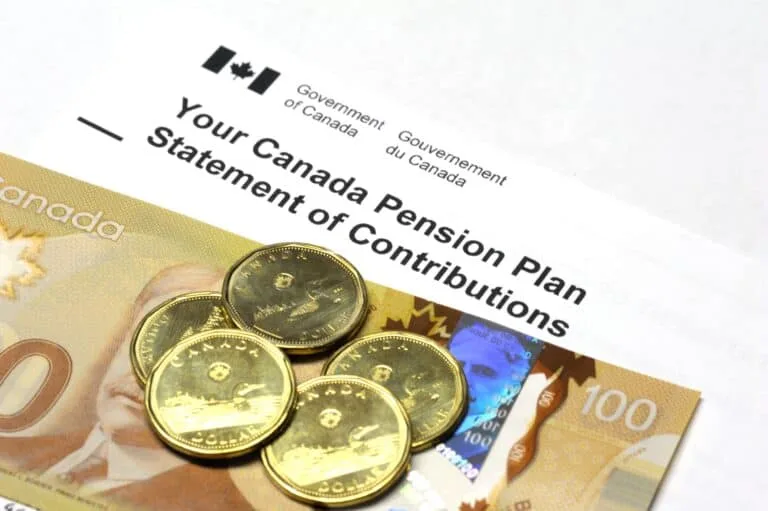
As of this year, the maximum monthly CPP payment at age 65 is $1,433 — but most Canadians receive far less. The average CPP payment is around $848.37 (based on recent data).
Clearly, that’s not enough to live comfortably in today’s economy — especially with rising costs of food, housing, and healthcare.
That’s where dividend income can fill the gap.
Turning Savings into Dividend Income
A dividend portfolio allows retirees to generate consistent income from their investments — without having to sell their shares. The key is diversification and a long-term approach.
Ideally, you’ll want to build a portfolio that includes companies from major sectors like:
- Banks and Financials
- Utilities and Energy
- Real Estate and Telecom
- Consumer Staples and Health Care
If building an entire portfolio sounds intimidating, you can start instantly with an exchange-traded fund (ETF) like the iShares S&P/TSX Canadian Dividend Aristocrats Index ETF (TSX: CDZ).
This fund includes about 90 top Canadian dividend-paying companies that have increased their payouts for at least five consecutive years.
Its recent distribution yield is around 3.5%, which means to generate $1,000 in monthly income, you’d need to invest roughly $342,857.
What’s Inside the CDZ ETF?
The ETF spreads your money across several industries to reduce risk:
- 23% Financials
- 15% Energy
- 13% Real Estate
- 11% Utilities
- 10% Industrials
- 9% Consumer Staples
- 8% Communications
- 2% Technology
Some of its top holdings include:
- Allied Properties REIT (3.6%)
- South Bow (2.9%)
- TELUS (2.6%)
- TD Bank (2.3%)
- CT REIT (2.3%)
- Power Corp (2.2%)
To avoid buying at market highs, consider using a dollar-cost averaging strategy, investing smaller amounts over time.
Protecting Yourself During Market Downturns
Even the best portfolios experience downturns. Markets can drop 20% or more during bear markets — which historically last about 11 to 15 months.
That’s why retirees should always set aside enough cash or guaranteed investments to cover at least a year’s worth of expenses.
Options like laddered GICs or a high-interest savings account can help you stay protected and avoid selling your investments at a loss.
The Smart Retirement Combo
A simple, well-balanced approach might look like this:
- Build your dividend portfolio (or invest in an ETF like CDZ).
- Set up a GIC ladder for short-term needs.
- Keep emergency cash in a savings account for flexibility.
This mix allows you to grow your income over time, while staying prepared for any market conditions.
Ready to Get Started?
You can easily start building your investment portfolio online through these trusted Canadian platforms:
- 💹 Questrade FX – Trade stocks and ETFs with low fees and professional tools.
- 💰 Wealthsimple – Join Wealthsimple and get $25 free when you fund your first account (use referral code SGUSKW).
- ₿ ShakePay – Buy Bitcoin or Ethereum and get $20 free when you sign up through this link.
Talk of Toronto Takeaway
Building a steady $1,000/month dividend stream isn’t just a dream — it’s a smart, achievable plan for Canadians who prepare early and invest wisely.
Diversify your income, protect your cash flow, and let your money work for you while you enjoy retirement the way you deserve.
Disclaimer: This article is for educational purposes only and should not be taken as financial advice. Always consult a financial advisor before making investment decisions.