
Canadian Radio Stations for Independent Artists: What This Submission Guide Confirms
A proposed guide for Canadian musicians is circulating, but the supplied material contains no station names, contacts or submission rules. Here is what artists can verify before sending music.
Independent artists are often told that radio exposure begins with a strong song. In practice, it also begins with accurate information: the right station, the right contact, the right format and a submission process that still works.
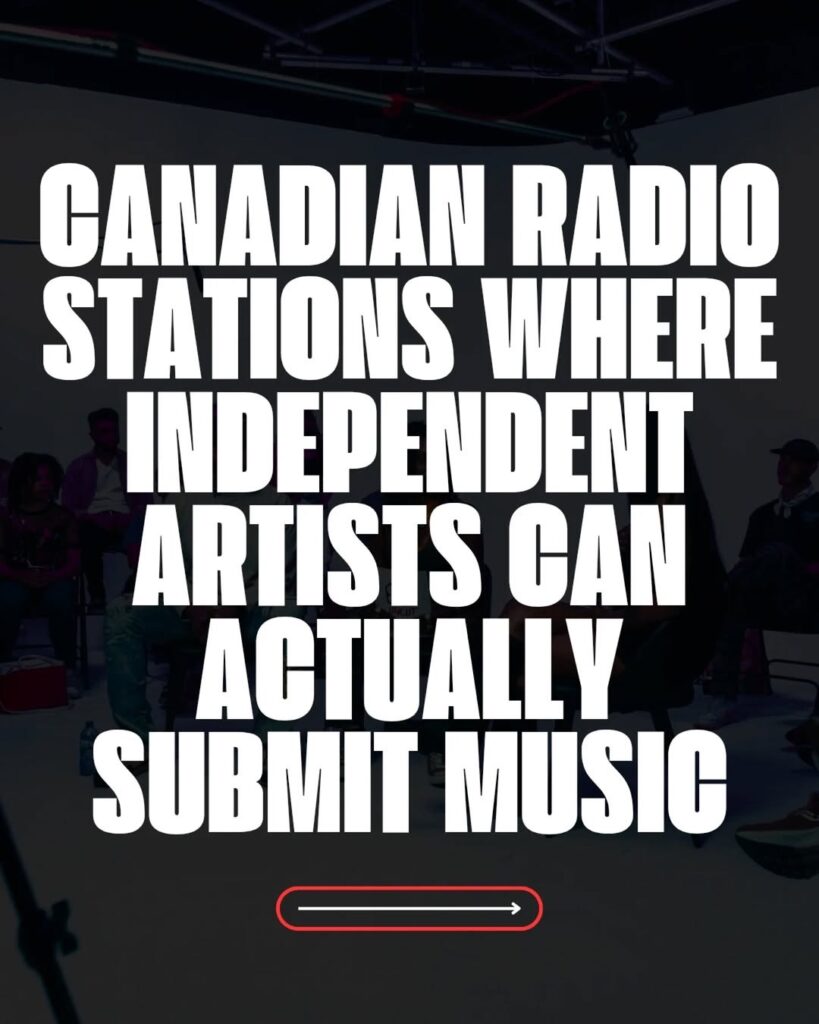

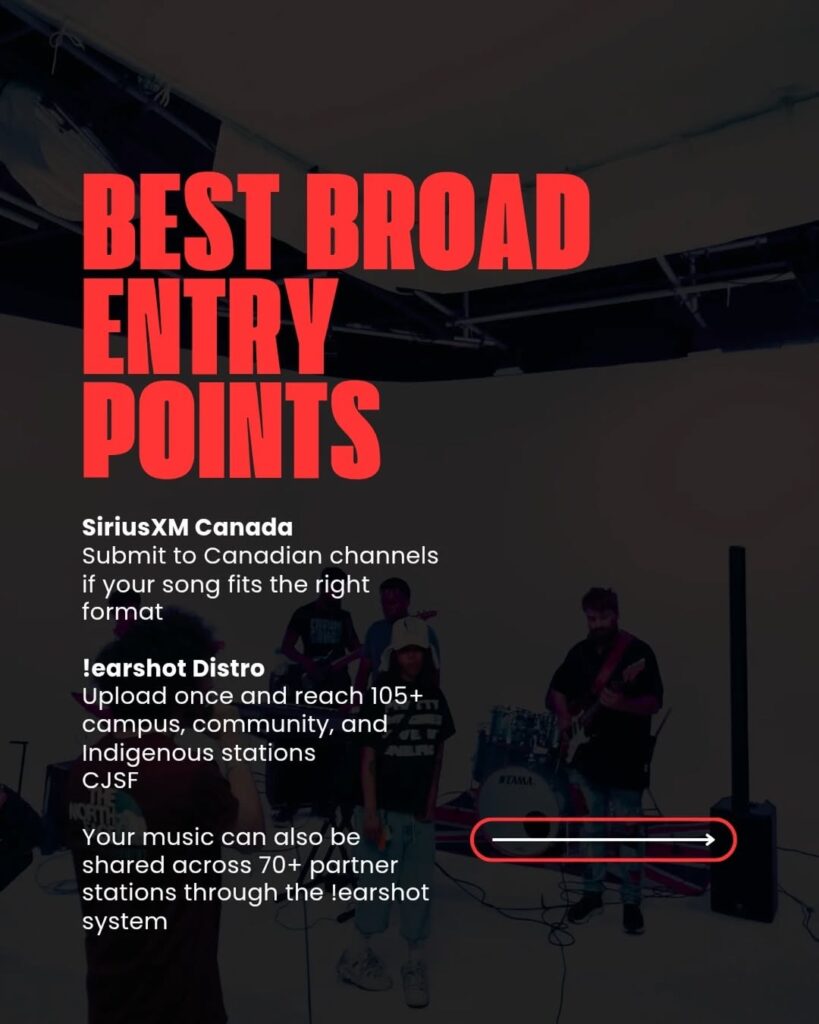
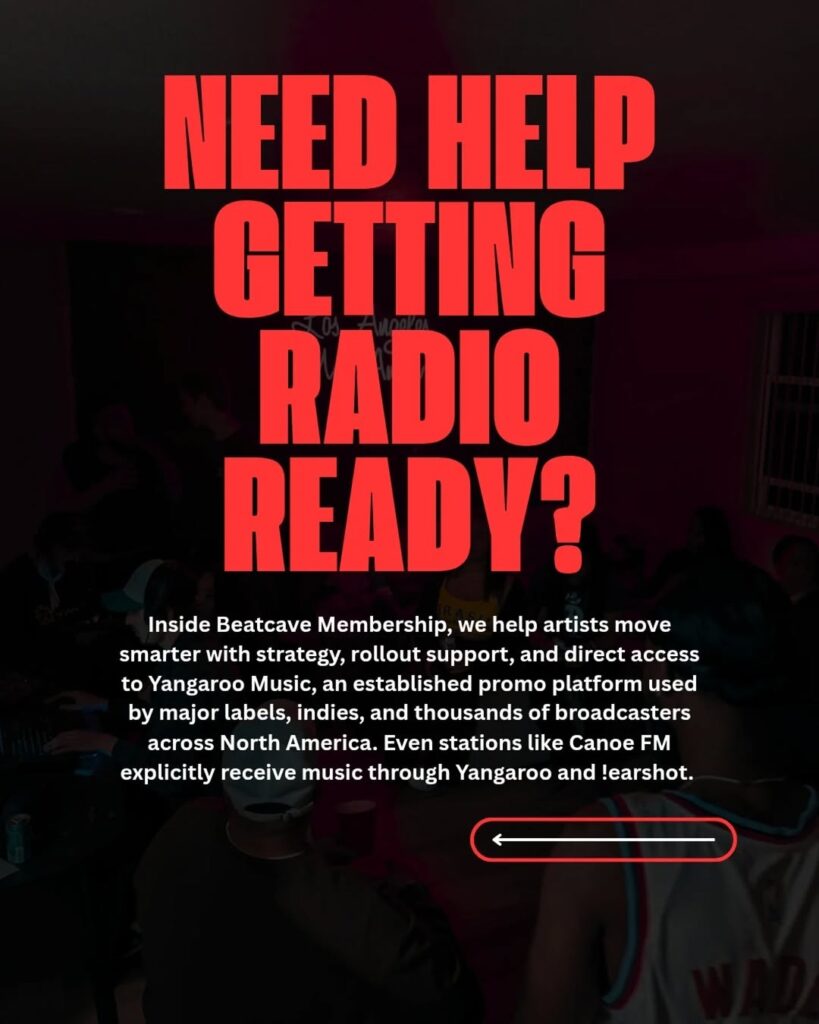
An email supplied to Talk of Toronto carries the headline “Canadian Radio Stations Where Independent Artists Can Actually Submit Music.” That topic matters to musicians across Toronto and the GTA, where emerging artists regularly look for ways to move beyond social media and reach local listeners. But the email does not include a readable station list, submission addresses, program names or music policies.
That missing detail is the central fact here. The material supports the existence of a proposed gallery or guide title, not the individual claims an artist would need before submitting a track. No radio station can be responsibly named from the supplied source.
What the Canadian radio stations for independent artists guide actually confirms
The approved email contains a gallery placeholder followed by the guide title. It does not provide the contents of the gallery. The verified web sources attached to the email are also unrelated to radio or music. They identify Sean Findlay as a real estate sales representative serving Toronto, the GTA and Hamilton, and describe real estate services connected with Findlay Real Estate and PreConCentral.

Those sources do not verify a station directory. They do not confirm that any broadcaster accepts unsolicited music. They also do not confirm submission rules, playlist decisions, airplay opportunities, fees, response times or editorial contacts.
That may sound like a narrow distinction, but it protects artists from acting on stale or incomplete information. A station can change its email address, remove a submission form or stop reviewing outside music. A program may accept local releases while another may only consider music through a label, distributor or booking contact. Without the original details, none of those points can be stated as fact.
Why the missing details matter to Toronto musicians
Toronto’s independent music community covers a wide range of sounds, from hip-hop and R&B to reggae, soca, electronic music, rock and singer-songwriter releases. The same pitch will not suit every broadcaster or program. A useful guide must show artists where their music fits, not simply offer a long list of names.
For a GTA artist, geography may also affect the pitch. Some outlets focus on a neighbourhood or region. Others serve a wider Canadian audience. Some programs may prioritize local artists, while others may organize their playlists around genre, language, culture or a specific audience. The supplied material does not identify which stations follow which approach.
That is why a credible list should be treated as a starting point rather than a guarantee of airplay. Submission access means an artist has a route to send music. It does not mean a station will play the track, reply to the message or provide feedback.
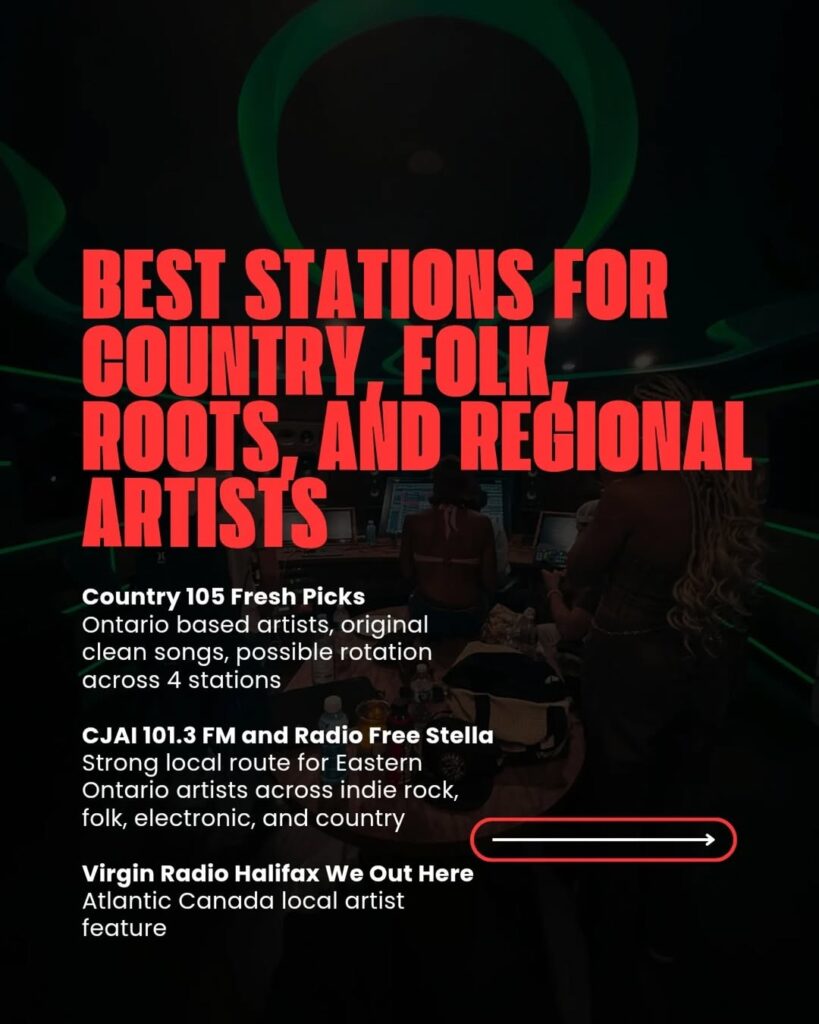

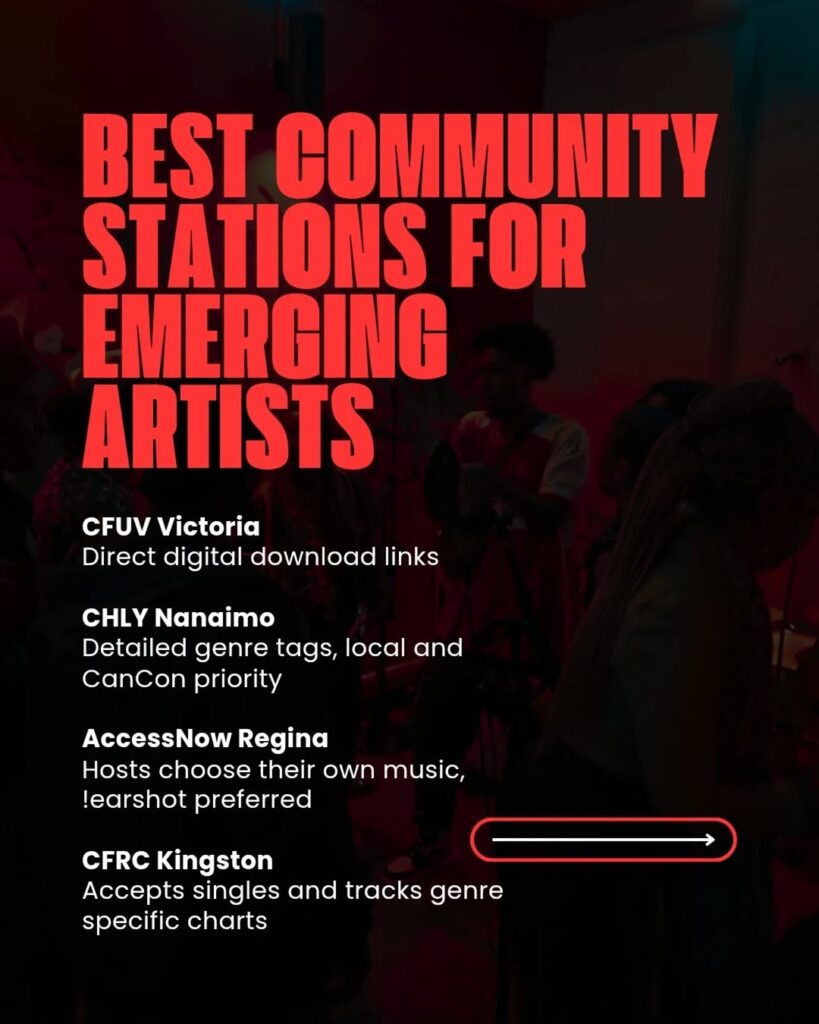
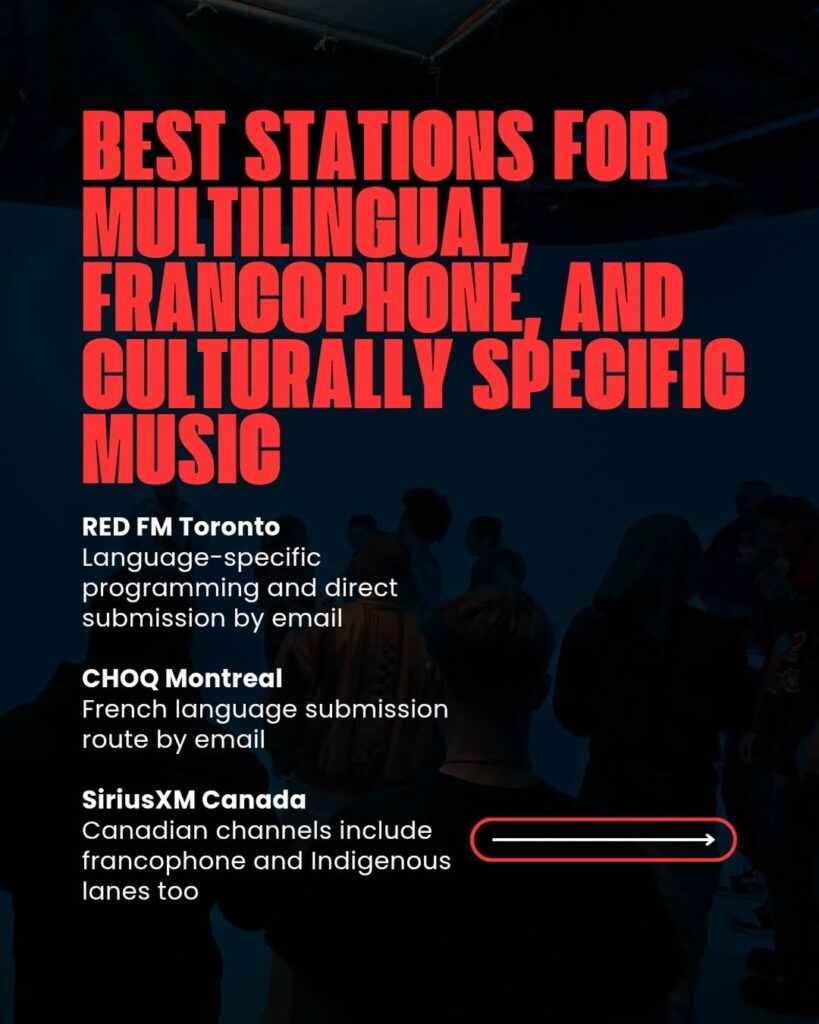
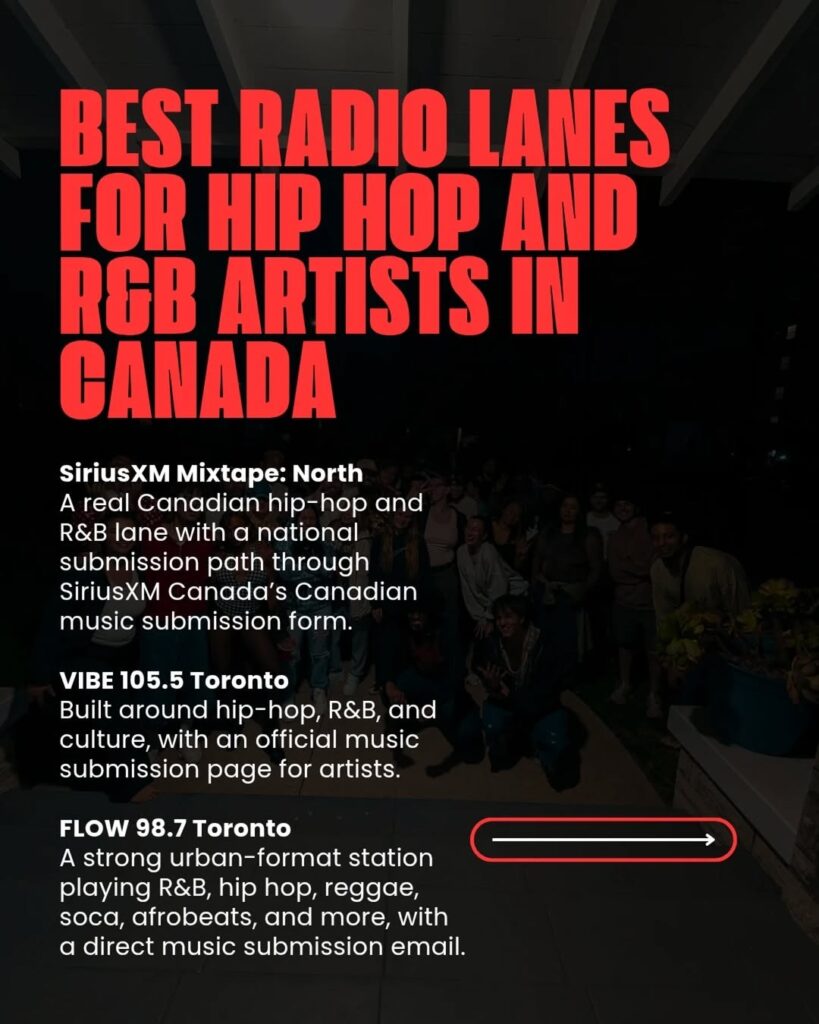
What artists should look for before sending a track
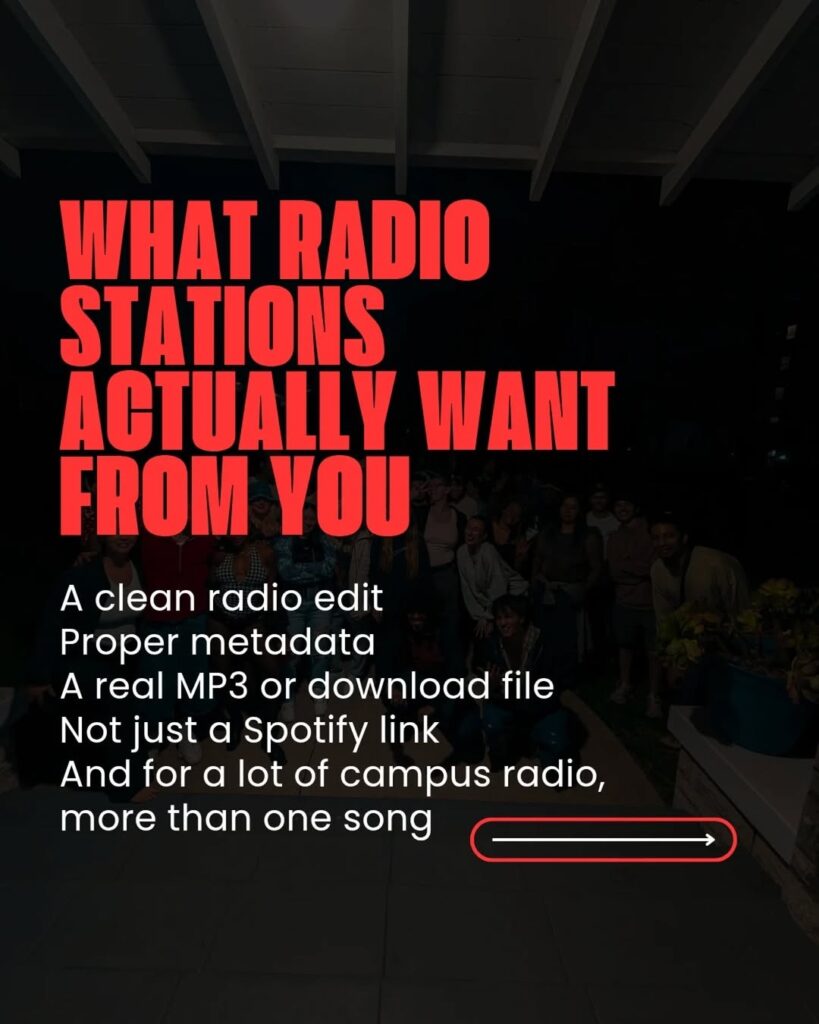
Until the full guide is available, musicians can use a simple verification process. The goal is not to make a submission feel formal for its own sake. It is to make sure the person receiving the music can open it, understand the release and decide quickly whether it belongs in the station’s programming.
- Confirm the station and program. Look for an official station page or program page. Check that the contact still appears on the broadcaster’s current channels.
- Read the submission rules. Note accepted file types, streaming links, release windows, genres, language requirements and any request for clean edits.
- Prepare a short artist introduction. Include the artist name, track title, release date, genre and Toronto or GTA connection when it is relevant.
- Use a professional listening link. Make sure the link works without unusual permissions, forced downloads or a complicated sign-in process.
- Include useful credits. Producer, featured artist, label, publisher and songwriter information can help the recipient understand the release.
- Respect the requested format. If a station asks for one track, do not attach an entire album. If it asks for a form, complete the form instead of sending a separate pitch.
- Keep a submission record. Save the date, contact, track version and link used. This prevents duplicate messages and helps the artist follow up responsibly.
These are practical submission standards, not rules confirmed by the email. Each broadcaster may set its own requirements. Artists should follow the current instructions published by the station or program they are contacting.
How to judge a radio opportunity without overreading it
A good guide should separate three different things: a station that accepts music, a program that considers music for airplay and a promotional service that charges artists to circulate releases. Those categories are not interchangeable.
Artists should also check whether the opportunity is editorial or paid. A paid campaign may offer promotion, but it should not be presented as independent programming unless the terms clearly say so. Any fee, required purchase or promised result deserves careful review before money changes hands.
Another useful question is whether the contact belongs to the broadcaster. A personal social-media account may be valid for a specific program, but an artist should be able to connect it to an official station or show page. If the relationship cannot be checked, the submission route remains unconfirmed.
The supplied email does not answer those questions. It offers a topic that could become useful to independent musicians, but it does not provide enough source material to assess any individual outlet.
What a complete Canadian radio stations for independent artists list should include
For artists, the value of a directory sits in its detail. A strong version would name each broadcaster, identify its city or coverage area and explain the kind of music it considers. It would include an official submission method and the date the information was last checked.
It should also distinguish between terrestrial radio, campus radio, community radio, online stations and specialty programs. Those outlets can serve different audiences and use different programming processes. A Toronto campus show, for example, may not operate like a commercial station’s daytime playlist. The source supplied here does not identify any of those outlet types.
Useful entries would answer basic questions in a few lines: Who should submit? What should be sent? Does the station accept independent releases? Is a clean version required? Does the program ask for local artists? Is follow-up discouraged? Without that information, a list may look comprehensive while still leaving the artist unsure what to do next.
The Toronto takeaway for emerging artists
The strongest lesson from this material is simple: access and verification come before promotion. A musician does not need to send music everywhere. A focused list of relevant, current contacts is more useful than a large directory filled with uncertain details.
Toronto artists can begin by matching the release to its audience and by keeping the pitch short. A clear subject line, one strong track and accurate release information give a programmer a fair chance to assess the music. The artist should also be ready for silence. Radio teams receive more submissions than they can answer, and a lack of response does not explain the decision.
The guide’s title points toward a real need, but the supplied gallery does not let readers verify its promised stations. Until the actual list and its source details are available, independent artists should treat every contact as unconfirmed and check it through the broadcaster’s current official information.
Thank you for reading. This article is complete. Read more articles here | TalkofToronto.ca