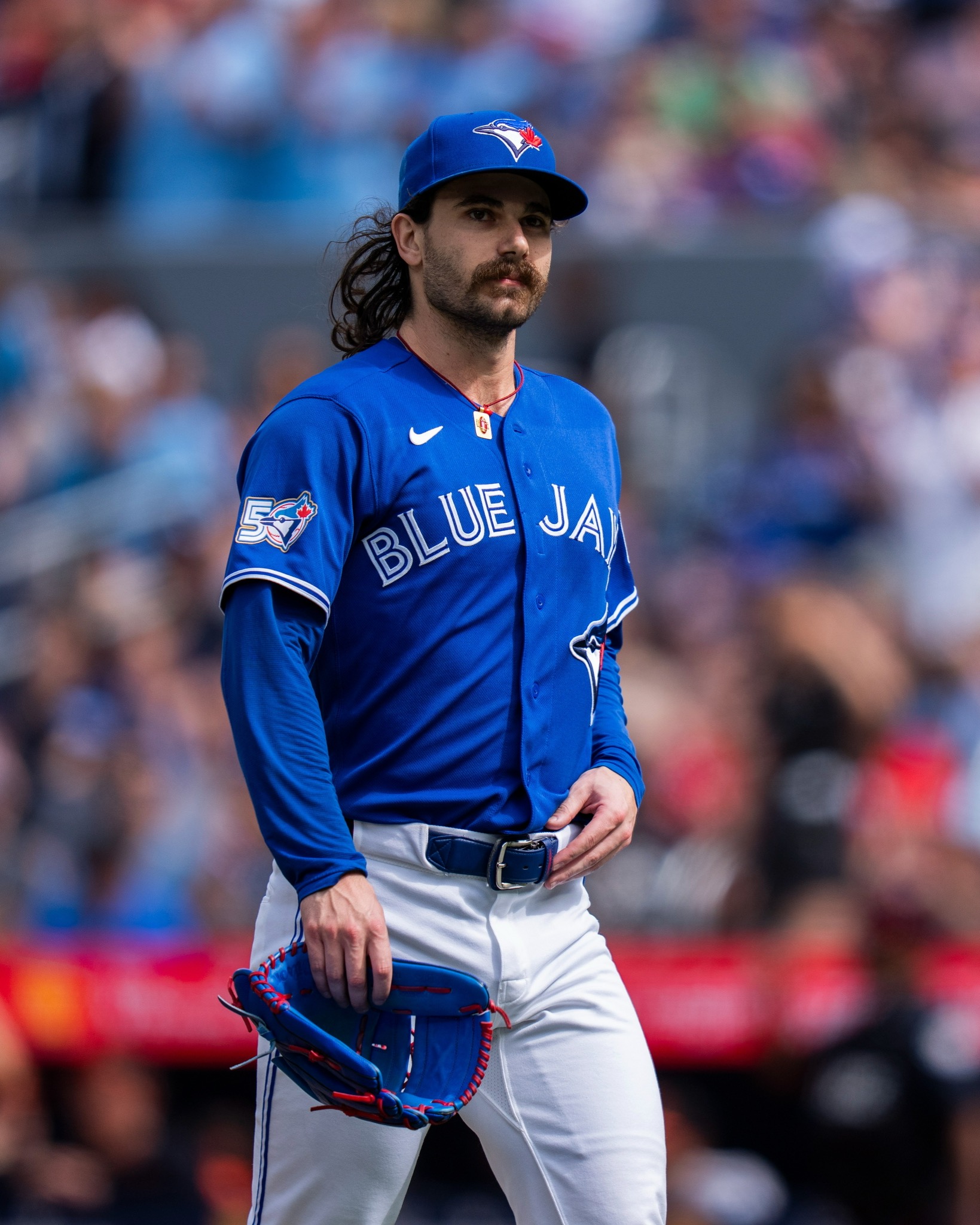
The Toronto ace has shoulder inflammation but no structural damage, leaving surgery off the table while his availability for the final games remains uncertain.
The Blue Jays avoided the worst possible result from Dylan Cease’s shoulder MRI. The right-hander has inflammation but no structural damage, and he will not need surgery.
That is encouraging news for Toronto’s long-term plans. It does not settle the immediate question: can Cease pitch again before the season ends, with the Blue Jays nearing elimination from the wild-card race?
Cease could still return against Cincinnati
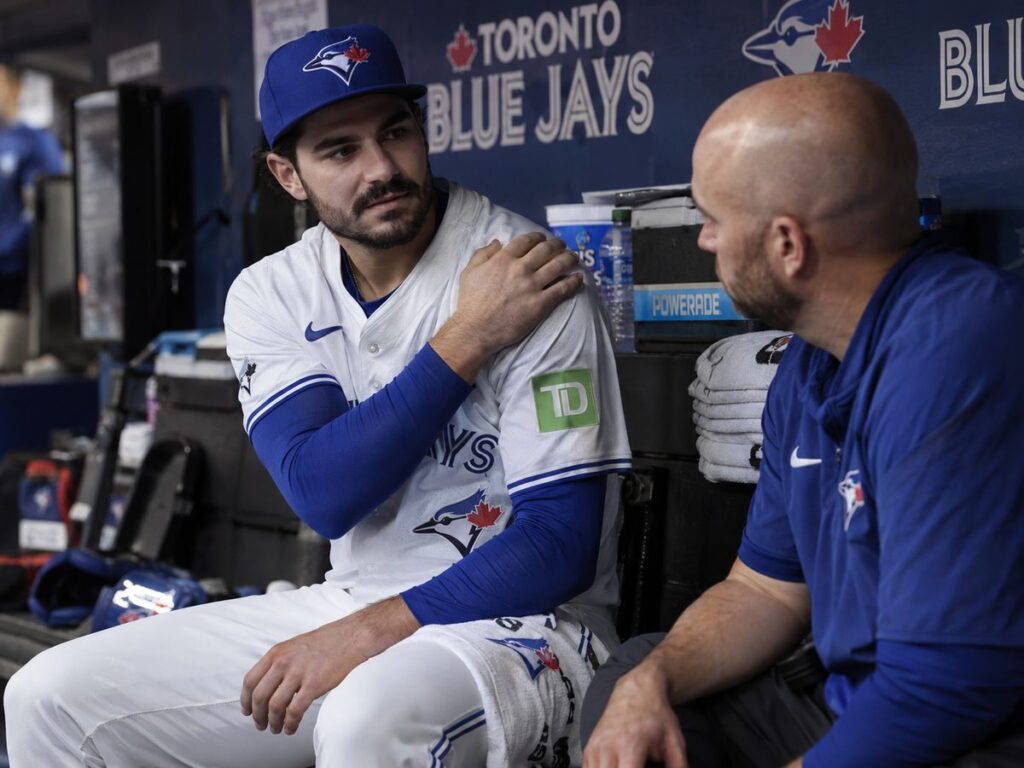
Cease rejoined the Blue Jays in Baltimore on Monday after undergoing imaging. He said his shoulder felt “heavy and achy” rather than painful, describing the issue as inflammation that developed over time.
Manager John Schneider said Cease could pitch this weekend against the Cincinnati Reds. For that to happen, Cease must feel better, feel like himself and believe the game still carries meaningful playoff weight.
That leaves the decision open. If Cease does not return, his season will have ended with Friday’s outing in Texas, when his average fastball velocity fell to 93.6 m.p.h.—the lowest mark of his career.
A velocity drop had been building for weeks
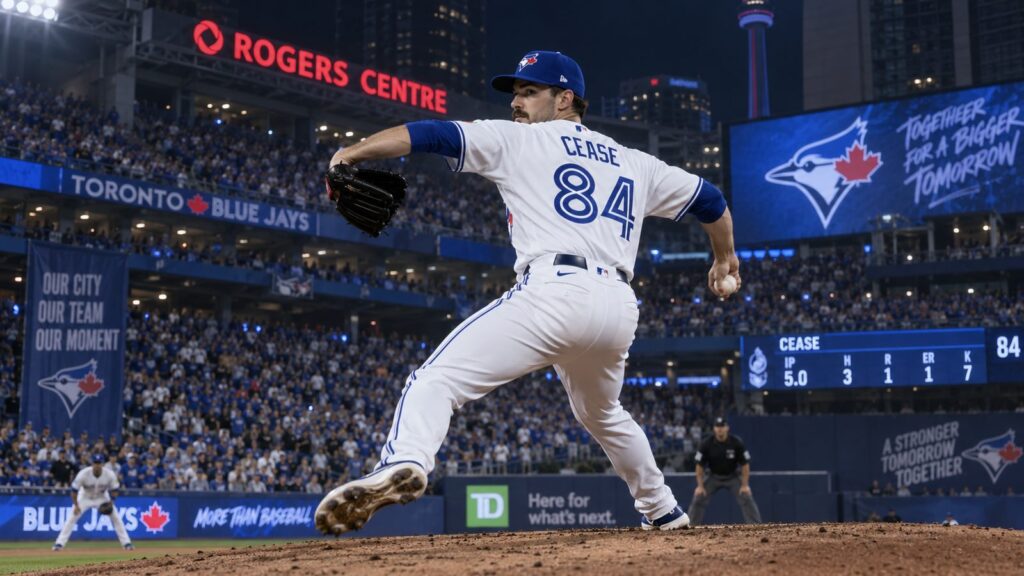
The Texas outing was not an isolated warning sign. Cease said he first noticed his shoulder feeling different after his July 25 one-hit, 120-pitch shutout in Boston. His fastball averaged 95.8 m.p.h. that afternoon, his first time below 96 this season.
His velocity stayed around that range through Sept. 2, then dropped to 94.9, 94.8 and 93.6 m.p.h. in his next three starts.
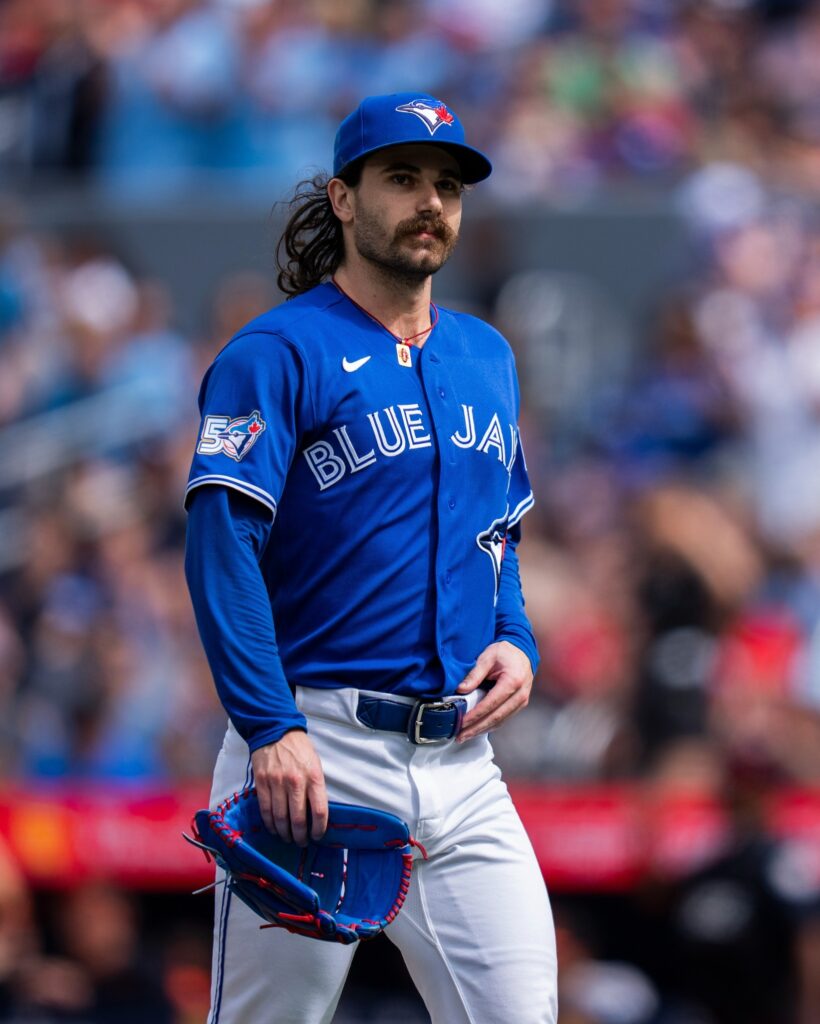
“I’ve never really experienced this,” Cease said, explaining that throwing at maximum effort no longer felt as effortless as usual. Even so, he continued taking the ball and adapting his pitch mix while trying to help Toronto win.
Toronto’s rotation has little margin left
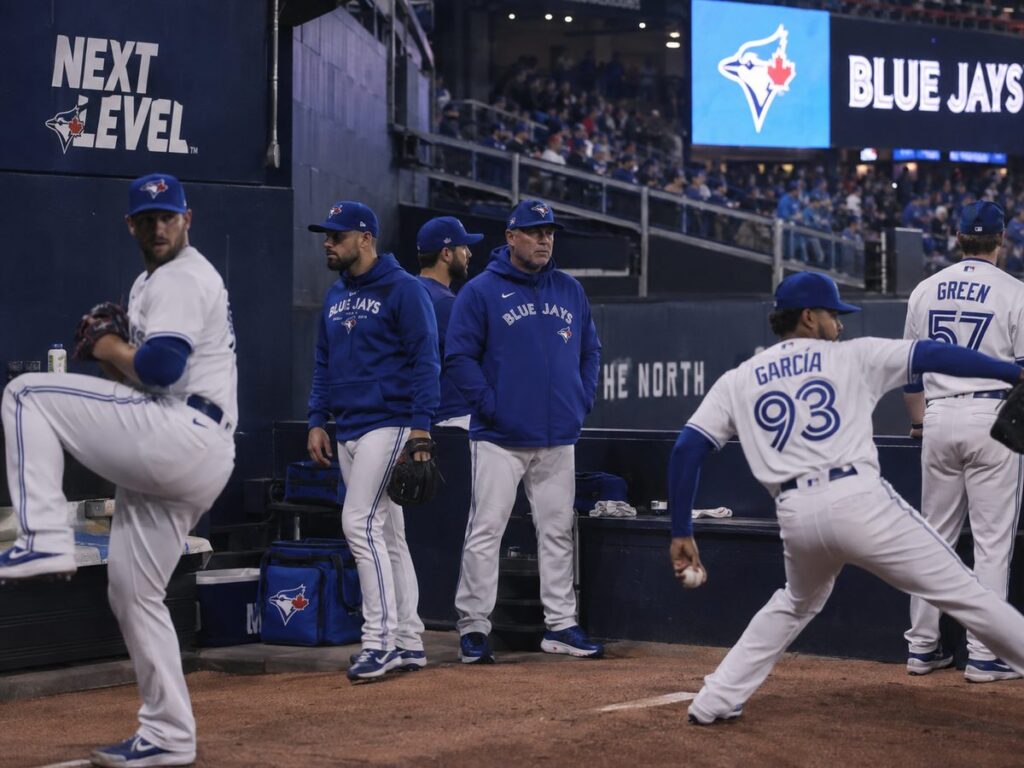
Cease’s uncertainty adds to a pitching problem that has shaped the Blue Jays’ season. Toronto opened the final week with only two healthy starters, and seven pitchers remained sidelined even after Trey Yesavage returned from his second injured-list stint Monday.
The club has relied on bullpen games and frequent roster changes. Those games create extra work for relievers not only on the day itself, but also before and after. Schneider said that workload has made it difficult to build the consistent rotation turns needed to string together wins.
Cease has been central to whatever stability Toronto has found. In 29 starts, he has struck out 239 batters across 169 innings while posting a 2.40 ERA. Along with Kevin Gausman before his trade, he helped hold together a threadbare staff with elite innings every five days.
The MRI also points to an offseason review
Cease said the MRI results were good news because nothing should keep him out next season. He also said the year taught him more about managing his body, including the amount of throwing he does between starts and the need to find more rest.
The Blue Jays plan to examine their broader pitching workload after a season that saw injuries affect much of the staff. Schneider said the club has already started considering throwing loads, rest and the number of appearances some pitchers make.
For the final games, though, Toronto still needs an answer on Cease. The MRI removed the fear of surgery. It did not provide a return date—or guarantee that the Blue Jays’ ace will pitch again this season.
Thank you for reading. This article is complete. Read more articles here | TalkofToronto.ca